NAISA Council

NAISA Council

The Native American and Indigenous Studies Association is governed by a constitution and bylaws. The first election of association officers took place in the spring of 2009. Current officers and Councilors are listed below, followed by former officers and Councilors. The Council meets twice a year face-to-face and meets virtually on a monthly basis for the other ten months of the year.

2025-2026 OFFICERS
Picture of Luis E. Cárcamo-Huechante
President

Luis E. Cárcamo-Huechante

(Mapuche), UT Austin

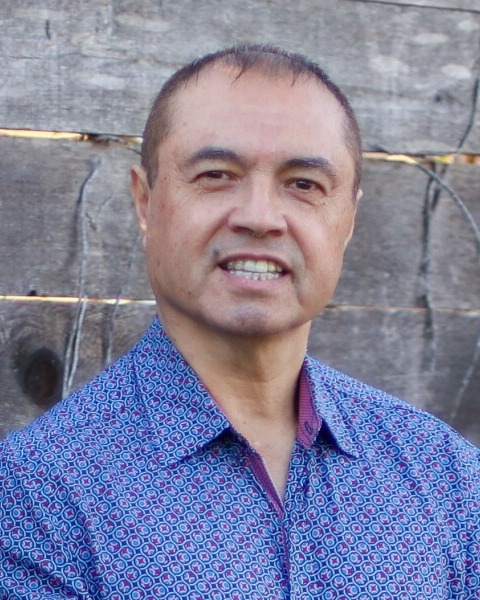
Luis E. Cárcamo-Huechante is a person and scholar who belongs to the Mapuche People. He grew up in Tralcao, a rural village in the River Region of Valdivia in southern Chile. He studied Philosophy and Social Sciences at the Universidad Austral de Chile (1980-1985), obtained his MA at the University of Oregon (1995-1997), and earned his PhD in Hispanic Studies at Cornell (1997-2001). He taught at Harvard University between 2001 and 2009. Since 2009, he has taught Latin American and indigenous literatures, media, and cultures at The University of Texas at Austin. He is a founding member of the Comunidad de Historia Mapuche (CHM), which is a collective of indigenous Mapuche researchers based in Temuco, southern Chile. Through the CHM, he has co-edited the collections of essays on colonial violence, entitled Awükan ka kütrankan zugu Wajmapu meu: Violencias coloniales en Wajmapu (Ediciones Comunidad de Historia Mapuche, 2015); and also Ta iñ fijke xipa rakizuameluwün. Historia, colonialismo y resistencia desde el país Mapuche (Ediciones de Historia Mapuche, 2012), the first book of this Mapuche collective, which brings together fourteen Mapuche authors who examine many dimensions of Mapuche history, relying upon the concept of colonialism as the axis of debate and reflection on historical, political, cultural, and territorial issues. Previously, in 2007, Professor Cárcamo-Huechante published his own book, Tramas del mercado: imaginación económica, cultura pública y literatura en el Chile de fines del siglo veinte (Santiago: Editorial Cuarto Propio), and co-edited a volume of essays entitled El valor de la cultura: arte, literatura y mercado en América Latina (with Alvaro Fernández-Bravo and Alejandra Laera, Rosario, Argentina: Beatriz Viterbo Editora, 2007).  He has published articles in prestigious academic journals. He is also a member of the editorial boards of refereed journals in the United States and in Latin America, such as Revista de Crítica Literaria Latinoamericana, Latin American Literary Review, Chasqui, and Taller de Letras. Between 2019 and 2022, he served as a member of the Council of the Native American and Indigenous Studies Association (NAISA). In August 2012, Professor Cárcamo-Huechante won the Regents’ Outstanding Teaching Award, the University of Texas System Board of Regents’ highest teaching honor; and, during the 2013-2014 academic year, he was a Fellow at the National Humanities Center in North Carolina. Professor Cárcamo-Huechante has just completed his second book, titled Indigenous Interferences: Acoustic Colonialism and Mapuche Response, which is now under contract with Duke University Press. (UT Austin)

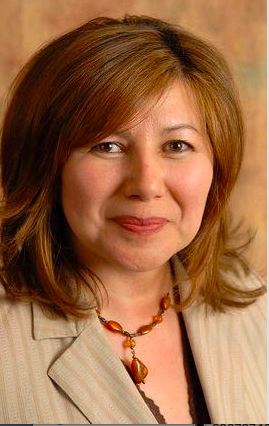
Picture of Angela Gonzales
President-Elect

Angela Gonzales

(Hopi Nation), Arizona State University

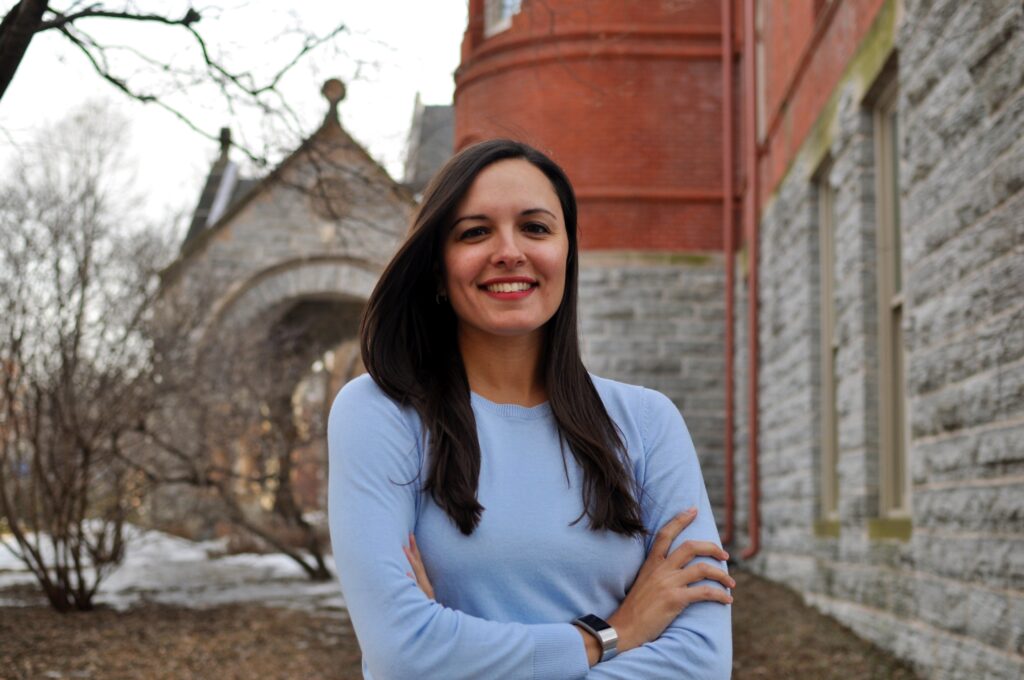
Dr. Angela Gonzales is an enrolled citizen of the Hopi Nation from the Village of Songoopavi (Spider clan) and Professor and Director of ASU’s American Indian Studies Program. She joined  ASU in 2016 after serving on the faculty in Development Sociology and American Indian Studies at Cornell University. As an interdisciplinary scholar, Gonzales’s research cuts across and integrates the fields of sociology, Indigenous studies, and public health. Her contributions within and between these areas center Indigenous epistemologies, perspectives, and needs, inform public policy, advance community-engaged research, and build the field of Indigenous sociology.  

Gonzales has received numerous awards, fellowships, and grants for her scholarship, teaching and community service, including the Ford Foundation Diversity Pre-doctoral and Post-doctoral Fellowships, the Kaplan Award for Public Service (Cornell), and the Katrin H. Lamon Fellowship at the School for Advanced Research (Santa Fe, NM). Gonzales strives to embody the Hopi values of sumingnawa (working together with others) and numingnawa (working for the benefit of all) through her research and service.  She currently serves on the Board President for the Colorado Plateau Foundation, a Native-led foundation that supports the protection of water, protection of sacred places and threatened landscapes, preservation of Native languages, and sustainable community-based agriculture. She is also a founding Board Member of the Hopi Education Endowment Fund, an organization of Hopi college and university graduates working to collectively inspire and assist future generations of Hopi college students. Gonzales holds a Ph.D. in Sociology from Harvard University, an Ed.M. from the Harvard Graduate School of Education, and a B.A. in Sociology from the University of California, Riverside. 

Bio from ASU.

Past-President

Malinda Maynor Lowery

(Lumbee), Emory University

Malinda Maynor Lowery is a historian and documentary film producer who is a member of the Lumbee Tribe of North Carolina. In July 2021 she joined Emory University as the Cahoon Family Professor of American History, after spending 12 years at UNC-Chapel Hill and 4 years at Harvard University. Her second book, The Lumbee Indians: An American Struggle, was published by UNC Press in 2018. The book is a survey of Lumbee history from the eighteenth century to the present, written for a general audience. Her first book, Lumbee Indians in the Jim Crow South: Race, Identity, and the Making of a Nation (UNC Press, 2010). It won several awards, including Best First Book of 2010 in Native American and Indigenous Studies.

She has written over twenty book chapters or articles, on topics including American Indian migration and identity, school desegregation, federal recognition, religious music, and foodways, and has published essays for popular audiences in places like the New York Times, Oxford American, and Daily Yonder. She has won fellowships and grants from the Mellon Foundation, the National Endowment for the Humanities, the Sundance Institute, the Ford Foundation, and others.

Films she has produced include the Peabody Award-winning A Chef’s Life (PBS, 2013-2018), Somewhere South (PBS, 2020), Road to Race Day (Crackle, 2020), the Emmy-nominated Private Violence (HBO, 2014), In the Light of Reverence (PBS, 2001), and two short films, Real Indian (1996), and Sounds of Faith (1997), both of which premiered at the Sundance Film Festival. Her current projects include essays on the shared history of Black and Indigenous Americans and a media experience on humor and racial stereotypes with the Smithsonian Institution. (Emory University website)

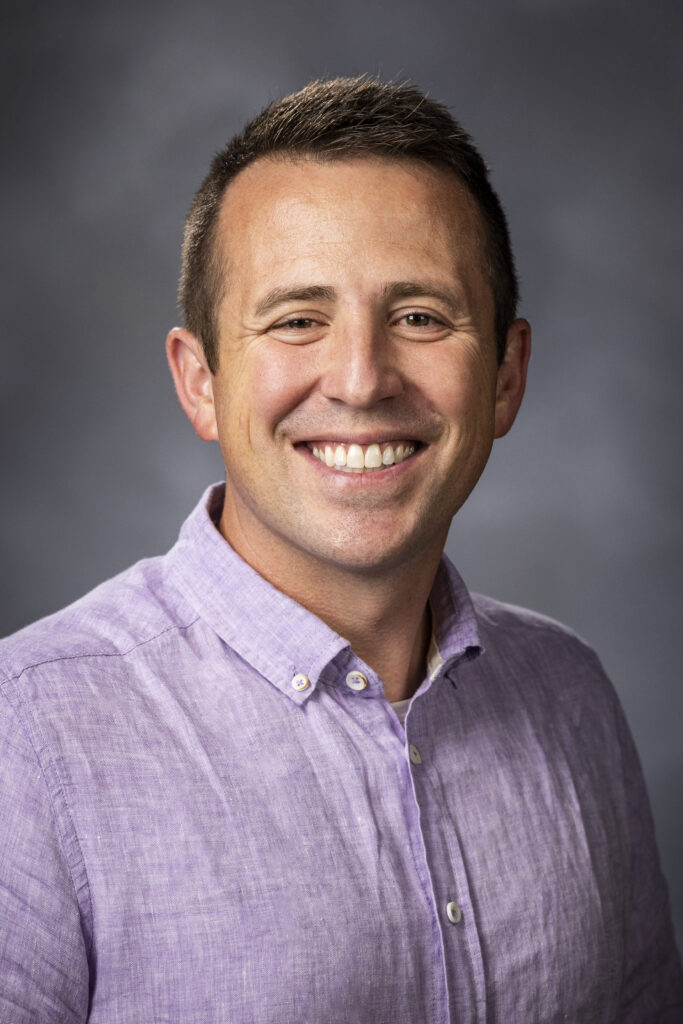
Picture of Michael Taylor
Treasurer

Michael Taylor

Brigham Young University

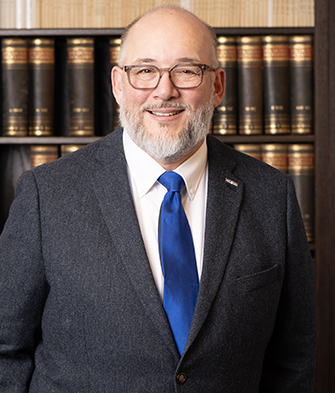
Michael P. Taylor is associate professor of English, co-director of American Indian Studies, and affiliate of Global Women’s Studies and American Studies at Brigham Young University. He is co-author of Returning Home: Dine Creative Works from the Intermountain Indian School. His scholarship has appeared in such journals as Native American and Indigenous StudiesPMLA, and American Quarterly. His research engages Indigenous archives to expand Indigenous literary histories and to (re)connect communities with their archival materials to support community-specific acts of Indigenous resurgence.
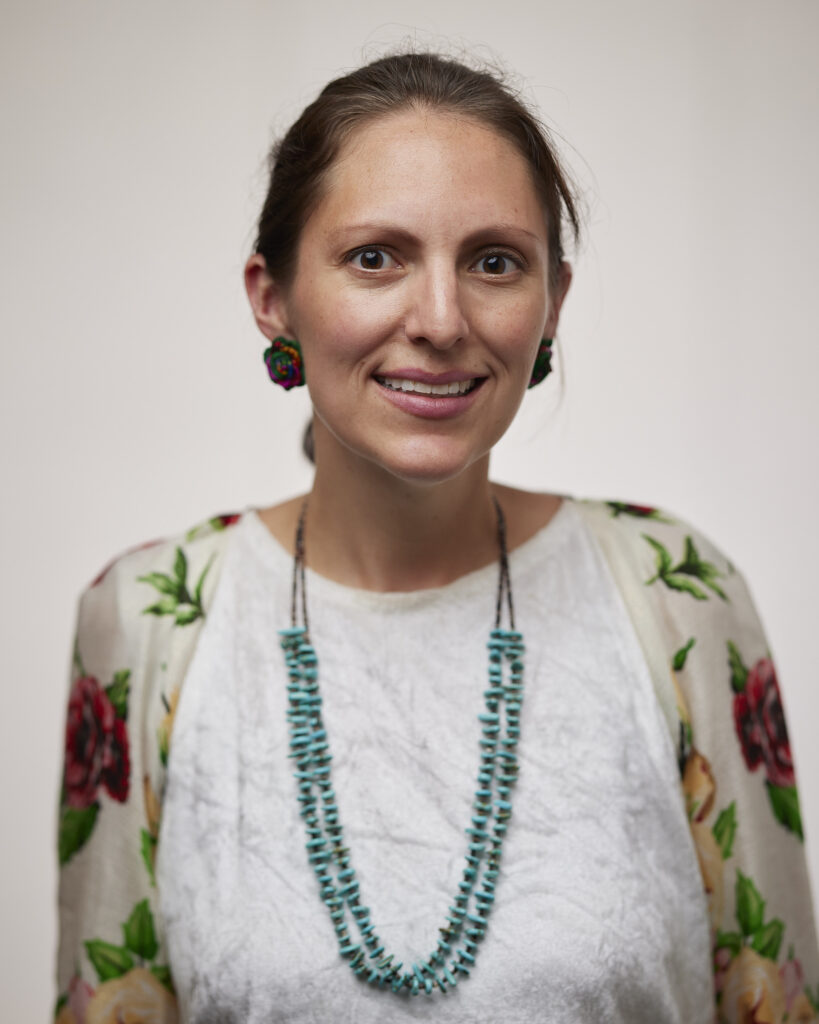
Picture of Farina King
Secretary

Farina King

(Diné), University of Oklahoma

Farina King, a citizen of the Navajo Nation, is the Horizon Chair of Native American Ecology and Culture and Full Professor of Native American Studies at the University of Oklahoma. Her research centers on Native American oral histories, especially among her Diné relatives and connections in Oklahoma. She received her Ph.D. at Arizona State University in History. She is the author of various publications, including The Earth Memory Compass: Diné Landscapes and Education in the Twentieth Century; co-author with Michael P. Taylor and James R. Swensen of Returning Home: Diné Creative Works from the Intermountain Indian School; and author of Gáamalii dóó Diné: Navajo Latter-day Saint Experiences in the Twentieth Century. She is a co-editor of The Lyda Conley Series on Trailblazing Indigenous Futures with the University Press of Kansas; co-editor of the Palgrave Studies in Oral History; and Editor in Chief of the Oxford Research Encyclopedia of Indigenous Studies. She is the past President of the Southwest Oral History Association (2021-2022). 

COUNCIL MEMBERS
Picture of Christopher Pexa
2023-2026

Christopher Pexa

(Spirit Lake Nation), Harvard University

Christopher Pexa is an Associate Professor of English. His research interests include: Očhéti Šakówiŋ Language and Literature, Native American and Indigenous Literatures, Native American and Indigenous Studies, Global Anglophone Indigenous Literatures, Nineteenth- and Twentieth-Century American Literature, and Critical Indigenous Theory. (Harvard University)

naisa-logo
2024-2027

Gail Gallagher

(Cree), University of Alberta Native Studies Alumni

Gail Gallagher is a First Nations Cree iskwêw from Frog Lake First Nation, Alberta, who has made her home in the Nation’s capital Ottawa, Canada for over a decade.

Gail completed her Masters’ degree with the Native Studies Faculty, University of Alberta in March 2020. Her thesis focused on the sexual exploitation and marginalization of Indigenous women and ways that Indigenous activism works to reduce this. Gail is currently applying for Ph.D. programs in Native Studies.

Currently, Gail is employed as a Social Policy Researcher with the Canadian federal government, at Indigenous Services Canada (ISC), Corporate Secretariat, Indigenous Employee Secretariat.

Gail is an activist and advocate for Indigenous issues, and in the past, has founded various Indigenous groups in her volunteer time. Gail is the Chair and founder of the Ottawa Indigenous Peoples Network (IPN), which was established in 2008 which provides an opportunity for monthly professional networking and relevant business presentations.

Gail believes in the value of establishing networks of support, knowledge and awareness that ultimately strengthens and builds capacity within Indigenous communities.

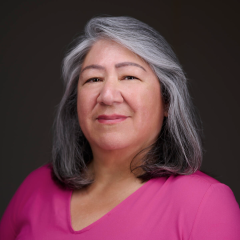
Picture of Katrina Phillips
2023-2026

Katrina M. Phillips

(Red Cliff Ojibwe), Macalester College

Born and raised in northern Wisconsin, Katrina Phillips is a proud citizen of the Red Cliff Band of Lake Superior Ojibwe. She’s an Associate Professor of History at Macalester College with a focus on Native history and the history of the American West. She holds a BA and PhD in History from the University of Minnesota

In her first book, Staging Indigeneity: Salvage Tourism and Performances of Native American History (which won the Theatre Library Association Book Awards 2021 George Freedley Memorial Award for an exemplary work in the field of live performance), Phillips centers what she calls “salvage tourism,” a phenomenon that draws from both salvage anthropology and heritage tourism in order to understand the ways in which communities across the United States have capitalized on the histories of Native nations in the creation of tourism enterprises.

Her current book project, “the land is the only thing”: Activism, Environmentalism, and Tourism in Northern Wisconsin, focuses on approximately a century’s-worth of Red Cliff history, from the Apostle Islands Indian Pageant of the 1920s and the battle over the Apostle Islands National Lakeshore to the creation of the Great Lakes Indian Fish & Wildlife Commission, Native American Tourism of Wisconsin, and Frog Bay Tribal National Park.

In addition to her academic work, Phillips is also a public historian. Her work has appeared in the “Made By History” section of the Washington Post; she’s appeared on Native America Calling, NPR’s 1A, and Indigeneity Rising; and she’s been quoted in The New York Times, the Associated Press, and Indian Country Today

She’s written a number of children’s books, including I Am on Indigenous LandIndigenous Peoples: Super SHEroes of History (Women Who Made a Difference), Indigenous Peoples’ DayThe Untold Story of Mary Golda Ross: Pioneering Space Engineer, and The Disastrous Wrangel Island Expedition. She’s also served as a historical and cultural consultant for books like Unstoppable: How Jim Thorpe and the Carlisle Indian School Football Team Defeated Army and The Journey of York: The Unsung Hero of the Lewis and Clark Expedition. 

Photo of Kevin J. White
2025-2028

Kevin J. White

(Mohawk from Akwesasne, with family from Tonawanda Band of Seneca), University of Toronto

Kevin J. White is an Indigenous scholar (Mohawk from Akwesasne, with family from Tonawanda Band of Seneca) whose work focuses primarily on Haudenosaunee Creation and culture. The process and act of storytelling rouses his curiosity in not only decolonizing stories collected and archived but understanding the inherent generational knowledge and wisdom in those collections of stories. His work has championed Tuscarora ethnographer J.N.B. Hewitt’s work on Iroquois Cosmologies in published works such as “Rousing a Curiosity in Hewitt’s Iroquois Cosmologies.” The tension between orality and textuality exists as large questions for White; though he is guided by and consults regularly with community members and scholars alike—as witnessed in his co-authored article “La Salle and Seneca Creation 1678.” As a Kanienkehaka (Mohawk) scholar, his work, research, and curiosity are guided by community, cultural values, and a Haudenosaunee lens of analysis—often arguing that much of the epistemological frameworks were dismissed, particularly in the salvage ethnography period—when a majority of culture work was done historically.  

White is currently working on his first book, Revisiting Hewitt’s Iroquois Cosmology Part I, in which he is working to adjust and lightly edit the original texts published in 1903—but largely unavailable outside of academic institutions. Hewitt’s work in Part I were the baseline for comparison to the other thirty-five versions in White’s dissertation thesis. White hopes to repatriate the epistemological knowledge contained in the three language versions to Grand River and other Haudenosaunee communities. 

White is working with the Six Nations Grand River community in the Deskaheh Project and Waugh Story Collection—two community-based projects. White and Dr. Susan Hill, Director of the Centre for Indigenous Studies, were awarded a Jackman Humanities Institute Scholars-in-Residence award to work with five undergraduate students and the Six Nations Grand River community Deskaheh project transcribing letters involving Deskaheh’s attempts to address and seek membership for the Six Nations of the Haudenosaunee in the League of Nations; and its direct path to the passage of United Nations Declaration on the Rights of Indigenous Peoples 2007. 

Bio from University of Toronto website
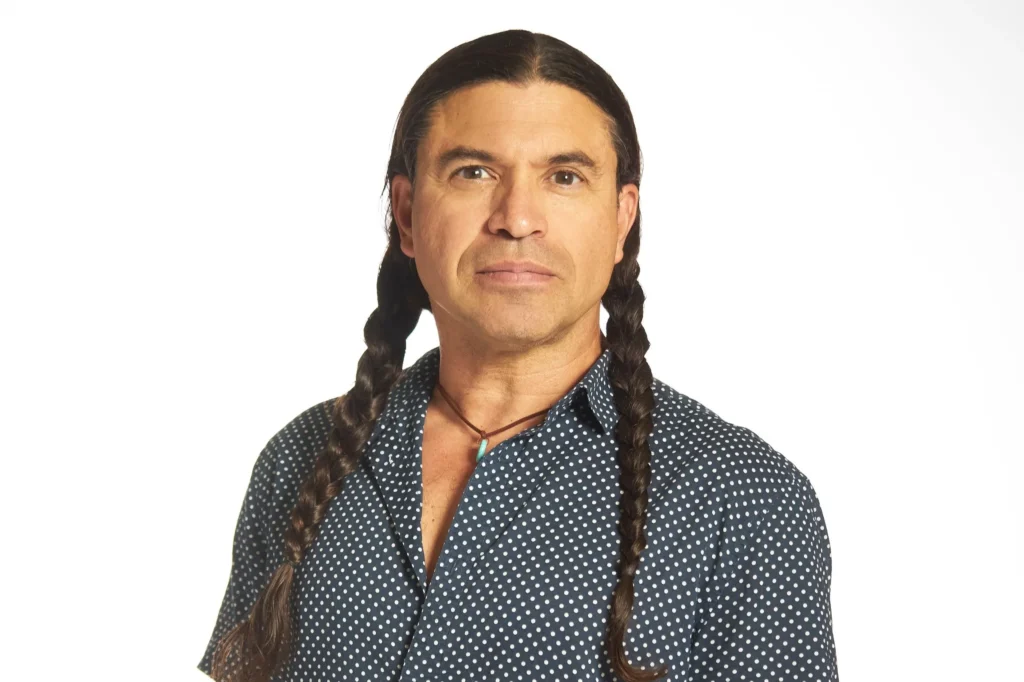
Picture of Sam Aros-Mitchell
2024-2027

Sam Aros-Mitchell

(Texas Band of Yaqui Indians)
Sam Aros-Mitchell is an enrolled member of the Texas Band of Yaqui Indians. As an art-maker, dancer, and scholar, his work spans the disciplines of performance, sound/light/scenic design, choreography, and embodied writing. Since 2017, he has worked with Rosy Simas Danse as a performer, teacher, and community engagement organizer. Aros-Mitchell’s abstract, “José Limón, The Unsung and Yoeme Syncretism” was recently accepted for publication in a book that celebrates Yaqui choreographer José Limón, titled “Transcending Amerincaness”. In 2019, Aros-Mitchell founded Aros and Son Publishing, dedicated to publishing the work of Native writers. Aros-Mitchell holds a Ph.D. in Drama and Theater from the joint doctoral program at UC San Diego/UC Irvine, an MFA in Dance Theatre from UC San Diego, and a BFA in Dance from UC Santa Barbara. Aros-Mitchell is a 2023 McKnight Dance Fellow. (Macalester College)
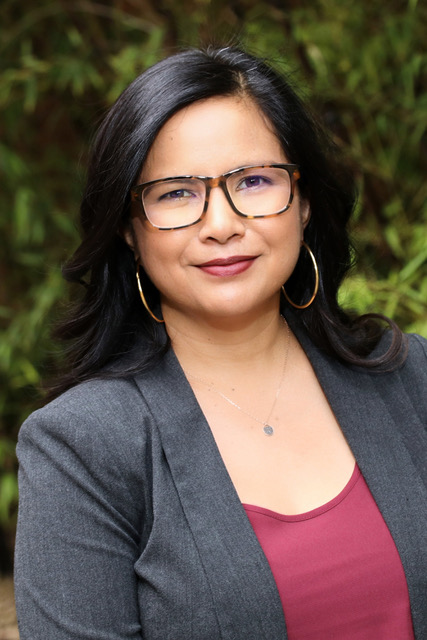
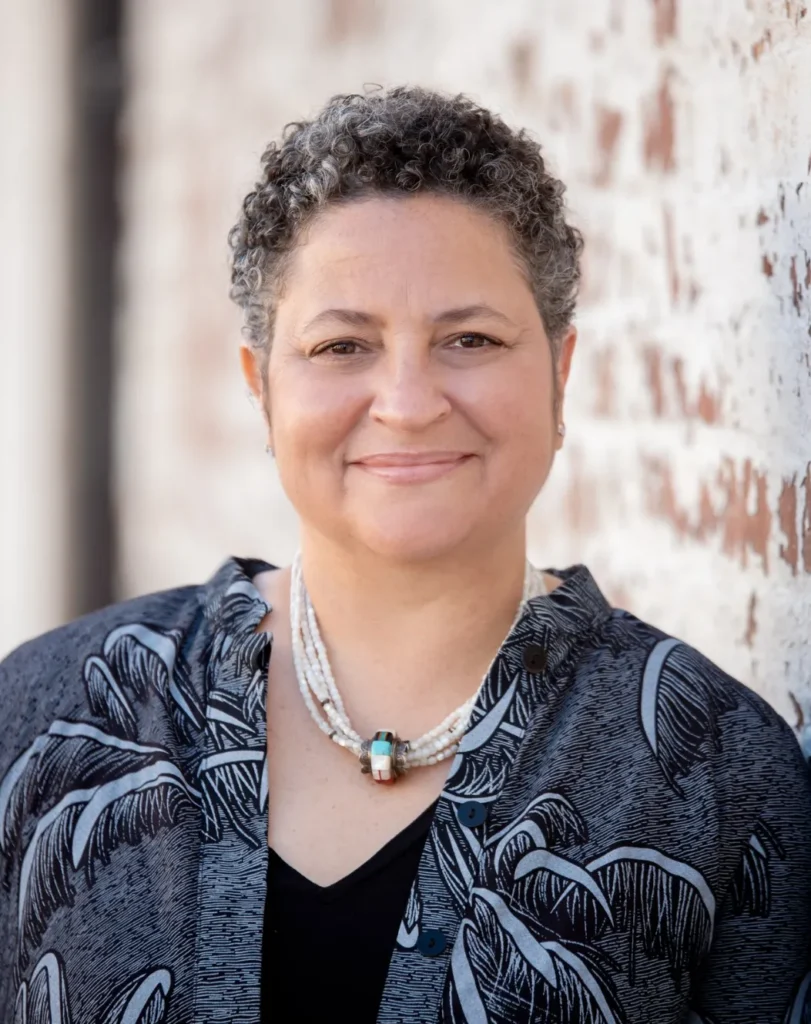
Photo of Stephanie Nohelani Teves
2025-2028

Stephanie Nohelani Teves

University of Hawaiʻi at Mānoa

Stephanie Nohelani Teves is an Associate Professor and Chair of the Department of Women, Gender, and Sexuality Studies at the University of Hawaiʻi at Mānoa where she teaches courses on Indigenous feminisms and queer theory. Her articles have appeared in American Quarterly, the American Indian Culture and Research JournalThe Drama Review and the International Journal of Critical Indigenous Studies. She received her Ph.D. from the University of Michigan and was a recipient of the Ford Foundation Postdoctoral and Dissertation Fellowships and was a postdoctoral fellow at Yale University in 2017. Teves is author of Defiant Indigeneity: The Politics of Hawaiian Performance (2018) and co-editor of Native Studies Keywords (2015)Most recently Teves is editor of The Mahele of Our Bodies: Nā Moʻolelo Kūpuna Māhū/LGBTQ, an oral history project with Hawaiian elders. She lives with her ʻohana in Honouliuli, Oʻahu.

IMG-20250627-WA0002

Former Officers

Malinda Maynor Lowery, President, 2024-2025
Kevin Bruyneel, Treasurer, 2021-2024
Sheryl Lightfoot, President, 2022-2023
Alyssa Mt. Pleasant, Secretary, 2022-2023
Aileen Moreton-Robinson, President-elect, 2021-2022
Marisa Duarte, Secretary, 2019-2022
Brendan Hokowhitu, President, 2021-2022
Susan Hill, President, 2020-2021
Shannon Speed, President, 2019-2020
Tsianina Lomawaima, Treasurer, 2018-2021
Aroha Harris, President, 2018-2019
Brenda Child, President, 2017-2018
Noelani Goodyear-Ka’ōpua, Secretary, 2017-2019
Jace Weaver, President, 2016-2018
Cedric Woods, Treasurer, 2016-2018
Mark Rifkin, President, 2014-2015
David Chang, Secretary, 2012-2016
Chadwick Allen, President, 2013-2014
Tsianina Lomawaima, President, 2012-2013
Kathryn Shanley, President, 2011-2012
Jean O’Brien, President, 2010-2011
Robert Warrior, President, 2009-2010
Maggie Walter, Secretary, 2009-2012
Brendan Hokowhitu, Treasurer, 2009-2012
Bruce Duthu, Treasurer, 2012-2015

Former Council Members

Liza Black (Cherokee Nation), 2022-2025
Nick Estes (Kul Wicasa), 2022-2025
Leilani Basham (Kānaka Maoli), 2021-2024
Karyn Recollet (Cree), 2021-2024
Valarie Blue Bird Jernigan (Choctaw), 2021-2022
Leonie Pihama (Māori), 2019-2022
Luis E. Cárcamo-Huechante (Mapuche), 2019-2022
Jill Doerfler (White Earth Anishinaabe), 2018-2021
Beth Piatote (Nez Perce), 2018-2021
Troy Storfjell (Sámi), 2017-2020
Chris “Caskey” Russell (Tlingit), 2017-2020
Christine “Tina” Taitano Delisle, 2016-2019
Jean Dennison, 2016-2019
Shannon Speed, 2015-2018
Renae Watchman, 2015-2018
Susan Hill, 2014-2017
Jolan Hsieh, 2014-2017
Alyssa Mt. Pleasant, 2013-2016
Leilani Basham, 2013-2016
Aileen Moreton Robinson, 2012-2015
LeAnne Howe, 2012-2015
Daniel Heath Justice, 2011-2014
Jose Antonio Lucero, 2011-2014
Kimberly Tallbear, 2010-2013
Vince Diaz, 2010-2013
Kehaulani Kauanui, 2009-2012
Noenoe Silva, 2009-2012
Alice TePunga Somerville, 2009-2011
Chris Anderson, 2009-2011
Lisa Brooks, 2009-2010
Rob Innes, 2009-2010
IMG_3142 (1)